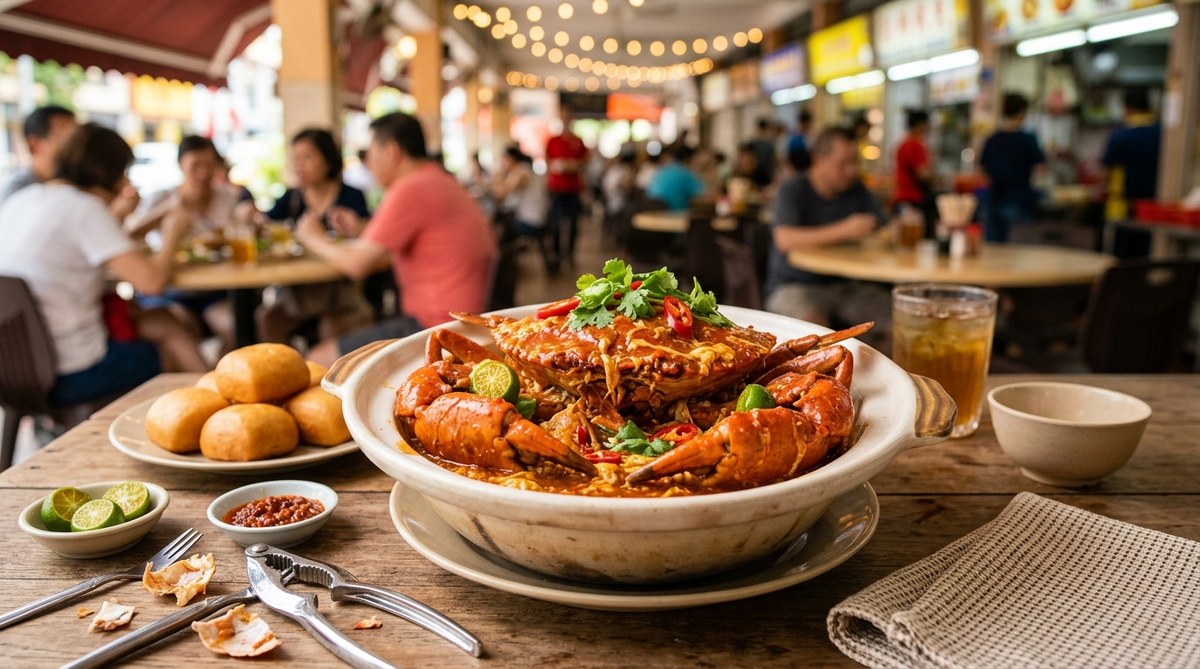
The smell of sweet, tangy chilli sauce mixed with fresh mud crab is unmistakable. It hits you the moment you step into any seafood restaurant in Singapore. For locals, cracking open a chili crab shell is a messy, glorious ritual. For visitors, it is a bucket list dish that defines Singaporean cuisine. But finding the best chili crab in Singapore is not as simple as walking into the first restaurant you see. The sauce needs to be balanced. The crab must be fresh. The texture of the eggy, tomato based gravy should be thick enough to coat every piece of fried mantou you dip in it. After tasting dozens of versions across the island, I have put together a list of the places that truly deliver.
The best chili crab in Singapore comes down to sauce consistency and crab freshness. Jumbo Seafood and No Signboard Seafood remain the top contenders for 2026, but hidden gems like Mellben Seafood and Palm Beach Seafood offer compelling alternatives. For the full experience, order fried mantou, eat with your hands, and do not skip the chilli crab sauce soaked buns.
What Makes Chili Crab the National Dish Worth Craving
Chili crab is more than just a menu item. It is a flavour experience that represents Singapore’s multicultural food scene. The dish was created in the 1950s by Madam Cher Yam Tian, who sold it from a street stall. Her recipe used bottled chilli sauce, tomato ketchup, and eggs to create a thick, sweet savoury gravy. Today, that same spirit lives on in kitchens across the island.
A perfect plate of chili crab has three things working together. First, the crab itself should be a Sri Lankan or mud crab. It should be heavy, with firm white meat that pulls away from the shell easily. Second, the sauce should be slightly sweet, moderately spicy, and rich with egg ribbons. Third, the texture of the sauce should be thick enough to cling to the crab and the buns you dip into it.
If you are new to the dish, here is how to eat it like a local.
- Put on the plastic bib and crack the claws using the wooden mallet provided.
- Scoop a piece of fried mantou (bread bun) into the sauce and let it soak for three seconds.
- Suck the chilli sauce from the crab shell before digging out the meat.
- Use your hands. Do not be shy. That is half the fun.
Where to Find the Best Chili Crab in Singapore Right Now
I have ranked these spots based on sauce quality, crab freshness, atmosphere, and value for money. These are the places you should book in 2026.
Jumbo Seafood
Jumbo Seafood at East Coast Park is the most famous name in the game. Their chilli crab comes in a sauce that strikes the perfect balance between tangy tomato and savoury chilli. The crabs are always heavy and full of meat. The gravy has a velvety texture thanks to the eggs stirred in at the last minute.
The downside is the wait. Expect a queue even on weekdays. Book ahead.
No Signboard Seafood
No Signboard started as a small stall in a coffee shop. Now they have multiple outlets, but the quality has stayed consistent. Their sauce is slightly thicker than Jumbo’s, with a stronger garlic punch. Some locals argue that No Signboard has the most authentic old school flavour. Their Geylang outlet still has that no frills vibe that makes the meal feel genuine.
Mellben Seafood
Mellben Seafood in Ang Mo Kio is a hidden gem that many tourists miss. Their signature is the chilli crab served with a generous amount of egg white in the gravy. The sauce is less sweet and more savoury compared to Jumbo. The crab here is always cooked to perfection. The flesh does not stick to the shell.
Palm Beach Seafood
Located near the Merlion Park, Palm Beach Seafood offers a view to go with your crab. Their chili crab sauce has a slight smoky flavour because they use a wok hei (breath of the wok) technique. The sauce is thinner but more aromatic. It is a good choice if you want a more refined dining experience.
Hua Yu Wee Seafood
Hua Yu Wee at Joo Chiat is a family run restaurant that has been around for decades. Their chilli crab is old school. The sauce is darker and richer, with a stronger fermented bean kick. It is not as sweet as the mainstream versions. This is the place to go if you want a less touristy experience.
Comparing the Top Chili Crab Restaurants
Here is a table that breaks down the key differences between these restaurants.
| Restaurant | Sauce Style | Crab Size | Price Range (per kg) | Best For |
|---|---|---|---|---|
| Jumbo Seafood | Balanced sweet savoury, thick eggy | Large, premium | $75 to $95 | First timers and tourists |
| No Signboard | Garlicky, thick, old school | Medium to large | $68 to $88 | Authentic local flavour |
| Mellben | Savoury, egg white heavy, less sweet | Large, consistent | $65 to $80 | Value seekers and regulars |
| Palm Beach | Smoky wok hei, thinner, aromatic | Large, premium | $80 to $100 | Couples and celebratory meals |
| Hua Yu Wee | Fermented bean kick, darker, richer | Medium | $60 to $75 | Purists and adventurous eaters |
Common Mistakes People Make When Ordering Chili Crab
Even experienced diners can slip up. Here are the most common mistakes and how to avoid them.
- Skipping the fried mantou. The buns are not a side dish. They are the vessel for soaking up leftover sauce. Order at least two baskets per person.
- Using a fork and knife. You will lose half the meat and all the fun. Use your hands and the wooden cracker.
- Ordering the wrong crab size. A 1.2 kg crab is ideal for one to two people. Smaller crabs have less meat. Larger crabs can be tough.
- Not booking ahead. Most top spots have wait times of 45 minutes or more during dinner. Call or use an online reservation system.
- Ignoring the sauce to crab ratio. Some restaurants skimp on the gravy. If the crab is swimming in sauce, that is a good sign. If it looks dry, send it back.
“The secret to great chilli crab is the sauce. It must be sticky enough to coat the crab but not so thick that it feels like paste. And never, ever use canned tomato sauce. Fresh tomato paste and good quality chilli give the colour and the tang.”
Chef Lim, third generation owner of a local seafood kitchen in Bedok
How to Choose the Right Chili Crab Restaurant for Your Mood
Not every chili crab meal is the same. Match the restaurant to the occasion.
- For a first time visitor: Go to Jumbo Seafood at East Coast Park. The atmosphere is lively and the quality is guaranteed.
- For a local date night: Try Palm Beach Seafood. The view of Marina Bay adds a romantic touch.
- For a casual family dinner: Mellben Seafood in Ang Mo Kio is relaxed and affordable.
- For a late night supper with friends: No Signboard at Geylang stays open until the early hours.
- For a pure, no nonsense crab feast: Hua Yu Wee is where the uncles go when they want the real thing.
What to Order Alongside Your Chili Crab
A chili crab meal is never complete without a few supporting dishes. Here is what locals typically order.
- Fried mantou (buns) to dip in the sauce.
- Sambal kangkong (water spinach in spicy shrimp paste) for a vegetable hit.
- Cereal prawns for a crunchy, buttery contrast.
- A cold glass of sugarcane juice or lime juice to cool down the heat.
If you are planning a full food trail, you might want to check out the best food trails for authentic local flavours in Singapore. That guide will help you build a whole day around your chili crab stop.
When Is the Best Time to Eat Chili Crab in Singapore
Chili crab is available year round, but there are a few things to keep in mind.
Crab prices fluctuate with the season. During the monsoon months from November to January, supply can drop and prices go up. The sweet spot is between February and October when crabs are plentiful and cheaper.
Dinner time starts early in Singapore. Many locals eat at 5.30 pm or 6 pm. If you arrive at 7.30 pm, you will face the longest queues. Go early or go late.
How to Spot Fresh Chili Crab Before You Order
You do not need to be a seafood expert to tell if the crab is fresh. Look for these signs.
- The shell should be bright and glossy, not dull.
- The crab should feel heavy for its size.
- When you crack the claw, the meat should be firm and springy, not mushy.
- There should be no sour or ammonia smell.
If the restaurant keeps live crabs in a tank near the entrance, that is a good sign. It means they are turning over stock regularly.
The Evolution of Chili Crab in 2026
Chili crab has not stayed frozen in time. In 2026, more restaurants are offering sustainable crab options. Some have started using blue swimmer crab from local farms instead of imported Sri Lankan mud crab. The sauce has also seen innovation. A few chefs are adding fermented chilli paste or aged shrimp paste for deeper umami.
Plant based versions are also appearing. One restaurant in Chinatown now serves a mushroom based “crab” with the same chilli sauce. It is not the same, but it is interesting for those who do not eat seafood.
If you are curious about other innovative food concepts in Singapore this year, the scene is buzzing with creativity.
A Simple Checklist for the Perfect Chili Crab Experience
Before you head out, run through this checklist.
- Book a table at least one day in advance.
- Bring wet wipes or extra napkins.
- Wear dark clothing. Sauce stains are real.
- Order one crab per two people.
- Do not forget the fried mantou.
- Ask for extra chilli on the side if you like it spicy.
- Save some bread for the leftover sauce at the end.
Putting It All Together for Your Chili Crab Hunt
Finding the best chili crab in Singapore is a delicious mission. Start with the big names like Jumbo and No Signboard if you want a safe bet. Branch out to Mellben and Hua Yu Wee if you want something with more character. Use the sauce as your guide. The best chili crab is the one where you find yourself sopping up every last drop of gravy with a bun, even when you are already full.
There is no single right answer for everyone. Your favourite will depend on whether you like your sauce sweet, garlicky, or smoky. The joy is in the search. So grab some friends, a stack of napkins, and go eat your way through Singapore’s best chili crab spots.
If you want to explore more of what Singapore has to offer beyond seafood, take a look at our guide to where to eat like a local in 2026. There is always another dish waiting to be discovered.