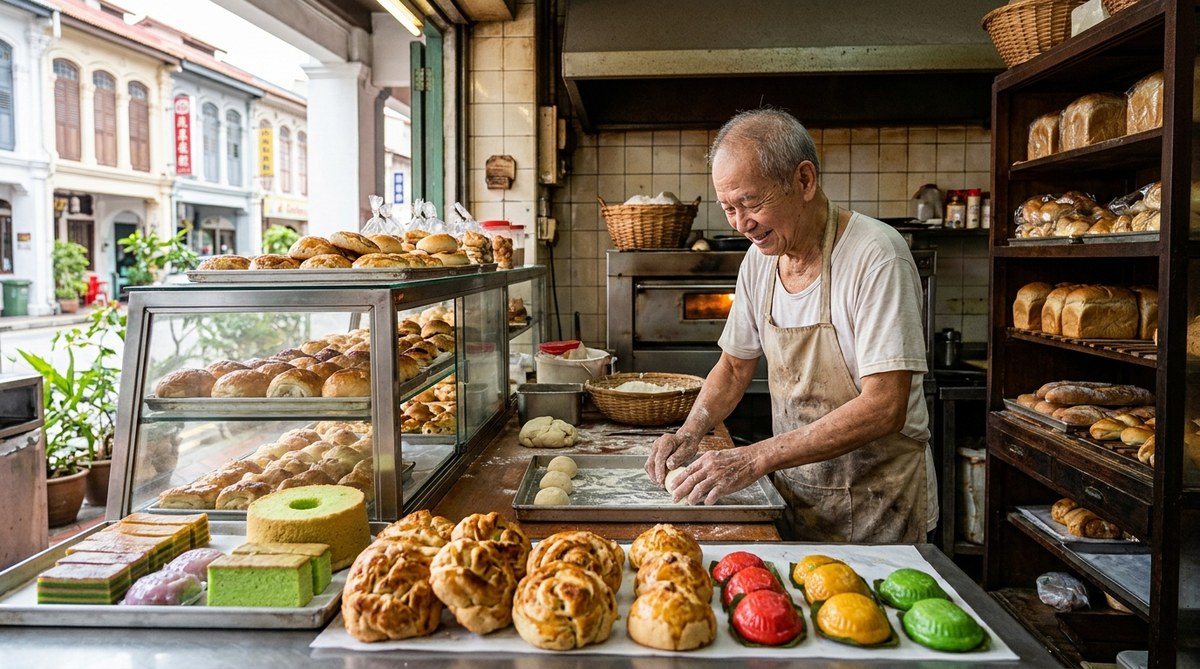
The smell of warm bread mixed with the faint sweetness of kaya is a memory many Singaporeans hold close. It is the aroma of a Sunday morning after mass, or a treat after school. But that smell is getting harder to find. In 2026, we are losing more than just a few shops. We are losing entire traditions. The wave of Singapore heritage bakeries closing shows no signs of slowing down. If you care about taste, history, and the stories behind your food, this is the year to pay attention.
Heritage bakeries in Singapore are shutting down due to rising rents, a lack of younger successors, and changing consumer habits. In 2026, the pace of closures is faster than ever. To taste these fading traditions, you need a plan. Visit early, buy often, and show support so these family recipes survive for another generation.
The Numbers Behind the Shutter
The statistics are sobering. Over the last five years, we have seen a consistent drop in the number of traditional bakeries operating across the island. From the heartlands of Toa Payoh to the shophouses in Jalan Besar, the story is the same. Older owners are retiring. Their children are working in tech, finance, or other industries. Nobody wants to take over the family business.
Rental costs are also a major culprit. A prime corner unit in a HDB estate can cost thousands of dollars a month. For a bakery selling buns at S$1.50 each, the margins are painfully thin. When the lease renewal comes, many owners simply decide to call it a day.
There is also the competition from modern cafes and chain stores. These places offer air conditioning, Instagram-worthy interiors, and trendy fusion bakes. They attract the younger crowd. Meanwhile, the old-school shops rely on loyal regulars who are themselves ageing.
Why These Bakeries Matter More Than You Think
A heritage bakery is not just a place to buy bread. It is a living museum. The recipes are often decades old, passed down from parents to children. The techniques are manual. The ovens are ancient. The bakers wake up at 2am to start the dough, just like they did in the 1970s.
These shops preserve flavours that you cannot find anywhere else. Take the traditional Hainanese coconut bun, for example. It is soft, slightly sweet, and filled with a rich coconut paste. Or the Swiss roll, which is light and fluffy, with a thin layer of jam. These are not fancy pastries. They are comfort food. They are the taste of a Singapore that is quickly disappearing.
When a bakery closes, the recipe often dies with it. There is no archive. There is no museum display. The knowledge simply vanishes. That is why the phrase “Singapore heritage bakeries closing” is not just a news headline. It is a cultural emergency.
The Real Reasons Owners Are Giving Up
When you talk to the owners, the reasons are deeply personal. It is rarely just about money. It is about exhaustion. Many of these bakers have been working for 40 or 50 years. They have constant back pain from kneading dough. They have calloused hands from handling hot trays. They are tired.
The lifestyle is brutal. You work while the rest of the world sleeps. You miss family gatherings. You miss your children’s school events. And for what? A modest income that barely covers the bills. It is no surprise that the next generation is not interested.
There is also the issue of ingredient costs. Butter, flour, and sugar have all gone up in price. To maintain quality, the bakeries absorb the cost. But there is a limit. Eventually, they have to either raise prices or close. For many, raising prices feels wrong. They serve the neighbourhood. They serve the uncles and aunties who have been customers for decades. They do not want to price them out.
A Table of Tradition vs. Trend
To understand the situation better, look at how heritage bakeries compare to modern competitors.
| Aspect | Heritage Bakeries | Modern Cafes |
|---|---|---|
| Recipe Origin | Family secrets, 50+ years old | Trend-based, seasonal menus |
| Production Method | Handmade, small batches | Often mass-produced or outsourced |
| Price Point | S$1 to S$3 per item | S$6 to S$10 per pastry |
| Ambience | Functional, no frills | Aesthetic, air-conditioned |
| Target Audience | Older residents, loyal regulars | Young adults, tourists, social media users |
| Succession Plan | Rarely exists | Corporate structure or investor-backed |
This table shows the core issue. The heritage model is built on community and craft. The modern model is built on scale and experience. In 2026, the market favours the latter. But that does not mean the former should disappear.
How to Visit Them Before They Vanish
You cannot save every bakery. But you can support the ones still standing. Here is a simple process to follow.
- Search for lists. Look up recent articles and community forums about old-school bakeries in Singapore. Pay attention to names that keep appearing. These are the ones with the strongest following.
- Check their opening hours. Many of these shops close early. Some close by 3pm or 4pm. Others are only open on certain days. Call ahead or check their Facebook page to confirm.
- Go during off-peak times. Weekday mornings are usually best. You can chat with the owner without holding up the queue. You might even get a warm bun straight out of the oven.
- Buy a variety. Do not just grab one item. Try the traditional buns, the cakes, and the biscuits. The more you buy, the more you help their cash flow.
- Share your experience. Post about them on social media. Tag the location. Word of mouth is still the best advertising for these small shops.
If you are planning a broader trip, consider mapping your route around these locations. You can combine a visit to a bakery in Jalan Besar with a walk through the nearby heritage areas. For more ideas on where to go, take a look at some hidden food gems in Singapore that are off the usual tourist path.
The Best Times to Go in 2026
Timing matters. Certain periods of the year are better for visiting heritage bakeries.
- Chinese New Year (February): Many bakeries produce special cookies like pineapple tarts and love letters. It is their busiest season, so stock is fresh.
- Hari Raya Puasa: Look for traditional Malay kuih and cakes that appear during this period.
- Weekday Mornings: The atmosphere is calm. You can watch the bakers at work and see the trays coming out of the oven.
- Avoid Rainy Season Afternoons: The weather can be unpredictable. A sudden downpour might keep customers away, but it also means the shop might close early.
If you are visiting from overseas, plan your trip around these windows. You want to see the shops at their best. You also want to avoid disappointment if they are closed for a public holiday.
What Happens When the Last Bakery Closes?
We are already seeing the effects. In some neighbourhoods, there is no longer a single place to buy fresh, traditional bread. Residents have to travel across the island to find a decent roti or a proper curry puff. This is inconvenient, but it is also a sign of a deeper loss.
The closure of a bakery erodes the character of a neighbourhood. It makes a place feel less distinctive. It turns a unique street into just another row of generic shops. For locals, it is a loss of identity. For tourists, it is a lost opportunity to see the real Singapore.
There is also the risk of recipe extinction. Some of these recipes are not written down. They exist only in the memory of the baker. When they retire, the recipe is gone forever. This is why documenting and visiting these places is so important.
A Guide to the Dying Art of the Traditional Baker
The bakers themselves are the true heroes. They are the ones who keep the ovens lit. They are the ones who refuse to cut corners. If you get the chance, ask them about their craft. Most are happy to share.
“My father taught me how to make this dough when I was 15. He learned it from his uncle. If I stop, nobody else will know how to do it. I keep going because the old customers still come. They tell me it tastes like their childhood. I cannot let them down.”
That is the heart of the matter. These bakers are not just selling food. They are selling memories. They are selling a connection to the past. In a city that is always looking forward, they are the anchor to where we came from.
How You Can Make a Difference
You do not need to be a millionaire to help. Small actions add up.
- Be a regular. Visit the same bakery every week. The owners will recognise you and appreciate the loyalty.
- Bring friends. Introduce the younger generation to these flavours. Show them that a S$1.50 bun can be better than a S$8 artisanal sourdough.
- Buy the “ugly” items. The misshapen buns and the slightly burnt cookies are often sold at a discount. They taste just as good.
- Tip generously. If you are buying a large order, round up the total. It makes a difference.
For those who want to explore more of the local food scene, there are plenty of guides to help you. You can learn about authentic local dishes that are still widely available, or find out where locals really eat in 2026. These resources will help you build a food itinerary that balances the old and the new.
The Emotional Weight of a Final Goodbye
When a bakery announces its closure, the reaction is often emotional. Regulars line up for one last taste. Some buy dozens of buns to freeze. Others just stand outside and take photos. It feels like a funeral for a friend.
We saw this recently with the closure of a well-known shop in the east. The final day saw queues stretching around the block. People came with their parents, their children, and even their grandparents. They were not just buying bread. They were collecting a piece of their history.
This outpouring of support is heartwarming, but it is also bittersweet. It shows that people care. It also shows that they cared too late. If the support had come earlier, maybe the shop could have survived.
The Bakery Hopper’s Checklist
If you are ready to start your own heritage bakery tour, here is a checklist to keep you organised.
- Research the top 5 bakeries in your area.
- Note down their opening days and hours.
- Bring cash. Many shops do not accept cards.
- Bring your own bag or container to reduce waste.
- Ask the owner for their bestseller and their personal favourite.
- Take photos, but ask permission first.
- Eat the food fresh. Do not wait until you get home.
- Leave a positive review online if they have a listing.
Why 2026 Is the Tipping Point
Every year we say “this is the last chance”. But 2026 feels different. The pace of closures has accelerated. We are losing shops that have been around for 60 or 70 years. Some of these shops have survived wars, economic crises, and pandemics. But they cannot survive the lack of a successor.
The generation that built these businesses is retiring. There is no one to take over. The skills are not being passed down. This is not a temporary trend. It is a structural shift. Once the last baker retires, the oven goes cold for good.
This is why the urgency is real. If you have been meaning to visit that bakery in your neighbourhood, do it now. Do not wait for the “last day” announcement. By then, it might be too late.
Final Thoughts on Preserving the Crumb
The story of Singapore heritage bakeries closing is a sad one, but it is not over yet. There are still shops holding on. There are still bakers waking up before dawn to serve their community. They need our support now, not later.
So make a plan for this weekend. Find a bakery you have never visited. Walk in, say hello, and buy something. Taste the bread while it is still warm. Listen to the stories if the owner is willing to share. You will be doing more than just buying a snack. You will be casting a vote for the kind of Singapore you want to live in. One that respects its past, even as it races towards the future.
And if you are looking for more ways to experience the local culture, you might want to try a self-guided walking food tour to discover the stories behind the food. The flavours are waiting for you. Go find them before they fade away.